

In this blog, we delve into how acupuncture can play a vital role in overcoming chikungunya pain and supporting a faster, more balanced chikungunya recovery. Through personal experience and medical insight, we explore how acupuncture chikungunya treatment helps relieve lingering joint pain, stiffness, and fatigue often linked to chikungunya arthritis. Discover how chikungunya acupuncture not …
## When Fever Turns to Fear
It started in June — a searing fever, unbearable fatigue, and feet that felt like fire. At first, I blamed the heat. But when my ankles swelled and the pain spread to my wrists, walking and typing became nearly impossible.
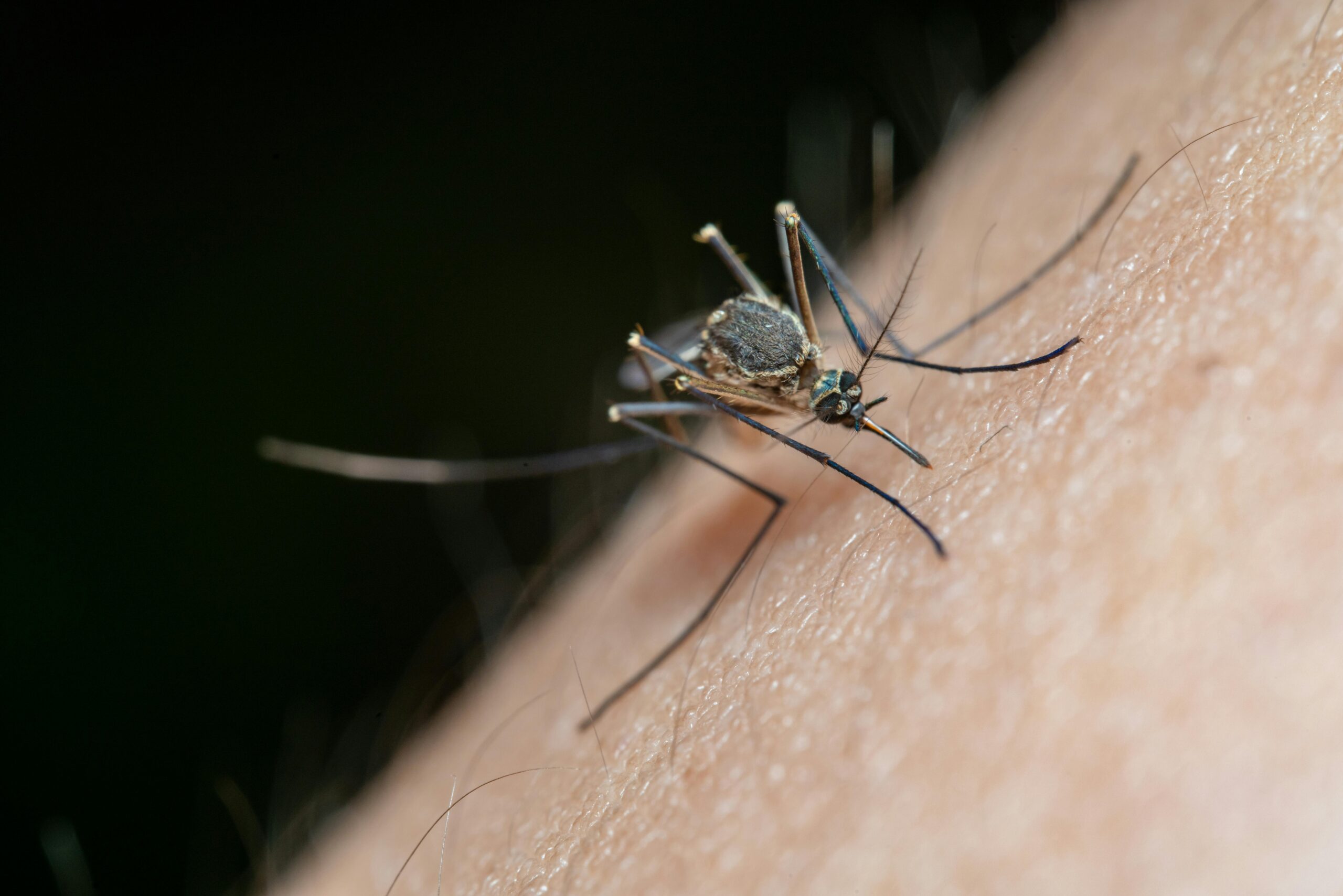
A blood test confirmed the truth: chikungunya, a mosquito-borne viral illness transmitted by Aedes aegypti and Aedes albopictus mosquitoes. The doctor explained that while most people recover in 7–10 days, joint pain can linger for months — sometimes even years — due to inflammation in the joints and connective tissues.
That night, I searched everything I could about chikungunya. The numbers worried me: in some studies, up to 70% of people reported continued joint pain three years after infection. The fear of chronic arthritis loomed large.
## When Pain Becomes Part of Life
Even after the fever broke, the pain stayed. My right foot dragged as I walked; my wrists refused to flex. Making morning tea or answering emails became trials of endurance. My productivity dropped, and with it, my mood.
Western medicine advised patience, hydration, and painkillers — treatments that manage symptoms but don’t always heal the underlying inflammation. I wanted something deeper, something that restored balance rather than masked discomfort. That’s when I remembered Dr. Priya, an acupuncturist, a friend had spoken highly of.
## The Turning Point: My First Acupuncture Session
Walking into The BalancePoint, I wasn’t sure what to expect. The room smelled faintly of lemongrass and calm. Dr. Priya explained that in Traditional Chinese Medicine (TCM), chikungunya is seen as a damp-warm disease — an external “heat” invading the body and blocking the smooth flow of energy, or Qi.
Her goal was simple: to clear the stagnation, reduce inflammation, overcoming chikungunya pain and restore balance.
The modern explanation, she said with a smile, is just as poetic — acupuncture activates nerve fibers that tell the brain to release natural painkillers like endorphins and serotonin, while calming the body’s stress responses.
That first session, I felt tingling warmth spread through my legs, almost like electricity stretching through a tired wire. Within days, the swelling eased, and movement returned. After weeks of stiffness, I could finally walk without grimacing.
## The Science Behind the Needles
For centuries, acupuncture has been known to relieve pain — today, science can explain how.
– Pain gating and neurochemical release: When acupuncture needles stimulate sensory nerves, they send fast signals to the brain that override pain messages — a phenomenon known as segmental inhibition. Simultaneously, the brain releases endorphins and enkephalins that naturally dull pain.
– Anti-inflammatory and immune regulation: Acupuncture helps balance cytokines, decreasing inflammatory molecules like TNF-α and IL-1β and increasing anti-inflammatory ones like IL-10. In studies, this reduces the kind of inflammation responsible for chikungunya arthritis.
– Restoring balance: The World Health Organization notes that chikungunya’s musculoskeletal effects often mirror autoimmune inflammation. Acupuncture helps reset the body’s “fight vs. rest” systems — returning it to a state of equilibrium.
Each point felt personal — chosen for my pain patterns, my stiffness, my stress. And each session, I noticed my body rewriting its memory of pain.
## Week by Week: My Chikungunya Recovery Timeline
– Week 1: Major swelling reduced, sleep improved, stiffness subsided noticeably.
– Week 3: Walking comfortably; less pain in the wrists and ankles.
– Week 6: Full mobility restored; energy levels back to normal.
– Month 2: Occasional joint tightness, but no swelling or functional limitation.
Everyone’s timeline is different — according to the CDC, most patients feel better in a week, though a few experience prolonged discomfort. Acupuncture helped me shorten that phase and regain both physical and mental strength.
## Practical Takeaways for Recovery
1. Get a confirmed diagnosis early: Blood testing distinguishes chikungunya from dengue or Zika.
2. Address joint pain quickly: Persistent inflammation can turn chronic if unmanaged.
3. Try acupuncture early in recovery: It works best when done alongside medical advice.
4. Choose a skilled practitioner: Credentials, compassion, and understanding matter.
5. Be patient: Recovery is gradual — celebrate the small wins.
## Beyond Relief: Rediscovering Balance
By August, I felt entirely new — lighter, stronger, balanced. The pain no longer dictated my day. Acupuncture not only took away my symptoms but also reconnected me with my body.
This journey taught me something profound: healing is not just about eliminating pain — it’s about restoring harmony. Whether you believe in Qi or neurochemistry, both agree on one thing: the body knows how to heal when given the right support.
So, if you’re recovering from chikungunya and fear that the pain might stay, consider chikungunya acupuncture — not as an alternative, but as an ally on your road back to balance.
## References
1. World Health Organization (April 2025): Chikungunya Fact Sheet. Overview of chikungunya’s symptoms, treatment recommendations, and global trends.
2. Niruthisard, S., Ma, Q., & Napadow, V. (2024): Recent Advances in Acupuncture for Pain Relief. Harvard Medical School & Chulalongkorn University. Highlights acupuncture’s effects on neuromodulation and cytokine regulation.
3. Centers for Disease Control and Prevention (August 2025): Symptoms, Diagnosis & Treatment of Chikungunya Virus. Updated recovery guidelines and duration estimates.
4. Institut Pasteur (September 2025): Chikungunya: Symptoms and Treatment. Describes acute and chronic musculoskeletal manifestations.
5. Tritsch, S.R. et al. (2019): Chronic Joint Pain 3 Years After Chikungunya Virus Infection. The Journal of Rheumatology, PMC7938419. Details long-term impacts on musculoskeletal health.
Book a Consultation
It’s easy and free!