Our TCM Treatments
The full spectrum of Traditional Chinese Medicine — from foundational acupuncture to cosmetic rejuvenation, herbal support, and beyond. Every treatment delivered by licensed physicians.
What Is Traditional Chinese Medicine?
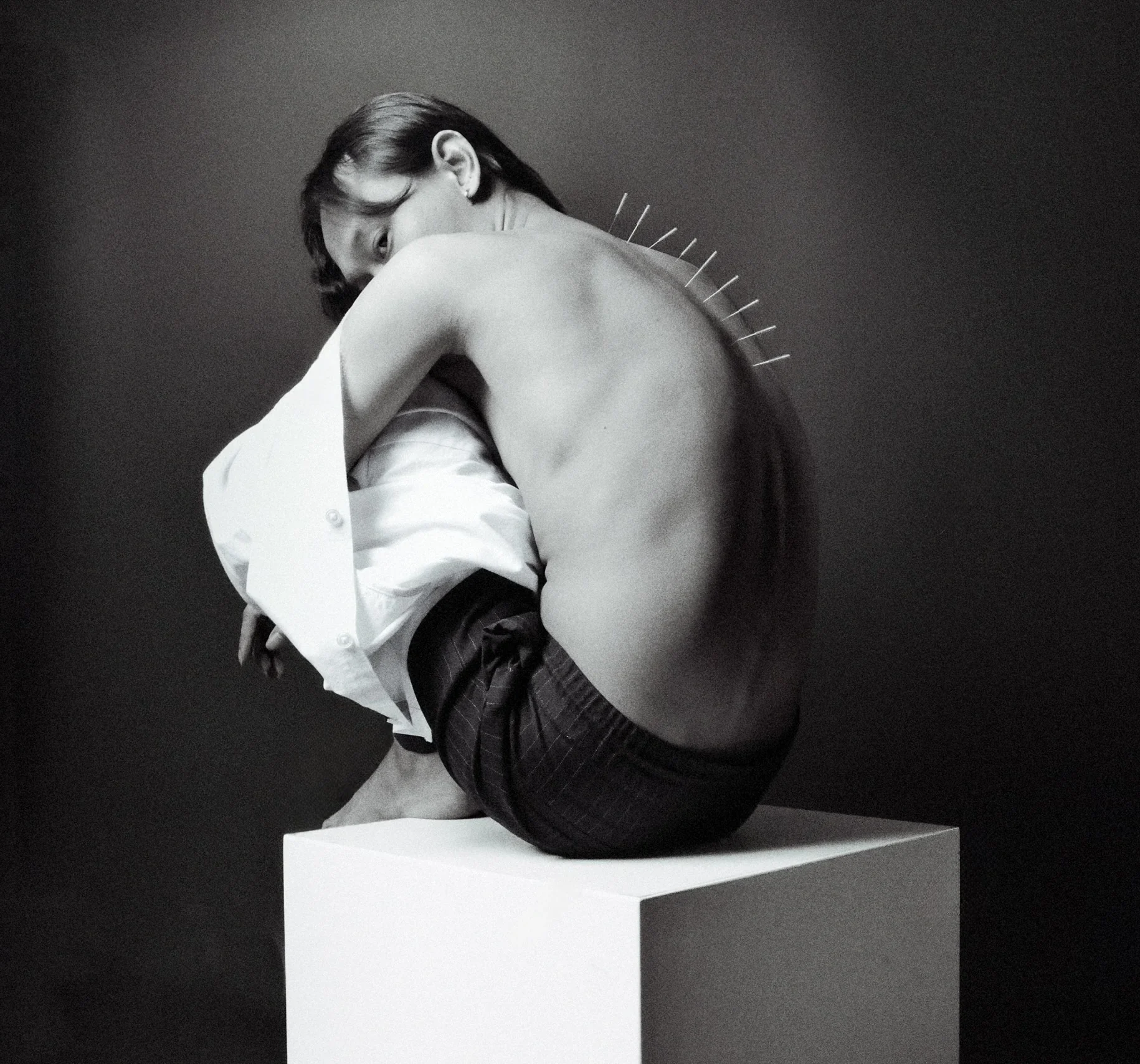
Traditional Chinese Medicine (TCM) is a comprehensive medical system developed over more than 2,500 years. It operates on the principle that health is a state of dynamic balance — and that illness arises when that balance is disrupted, whether by external pathogens, internal emotional factors, dietary imbalance, or constitutional weakness.
TCM diagnosis goes beyond symptoms. A trained TCM physician assesses the whole person — pulse quality, tongue appearance, facial complexion, emotional state, and symptom patterns — to identify the root imbalance and design a targeted treatment plan.
All treatments at Balancepoint delivered by licensed physicians only.
Dynamic Balance
Health is not the absence of symptoms — it is a state of equilibrium between opposing forces. TCM treatment restores that equilibrium at the root level, not just surface presentation.
Whole-Person Assessment
Pulse quality, tongue morphology, facial complexion, emotional patterns, sleep, digestion — all are diagnostic data. TCM sees the body as a system, not a set of isolated symptoms.
Root-Cause Resolution
Every treatment plan targets the identified pattern — the underlying imbalance — not just symptomatic relief. This is why TCM results are durable where symptomatic treatment is not.
Complementary by Nature
TCM works alongside, not against, conventional medicine. Many of our patients use TCM concurrently with oncology care, fertility treatment, and surgical recovery.
 01
01
Acupuncture
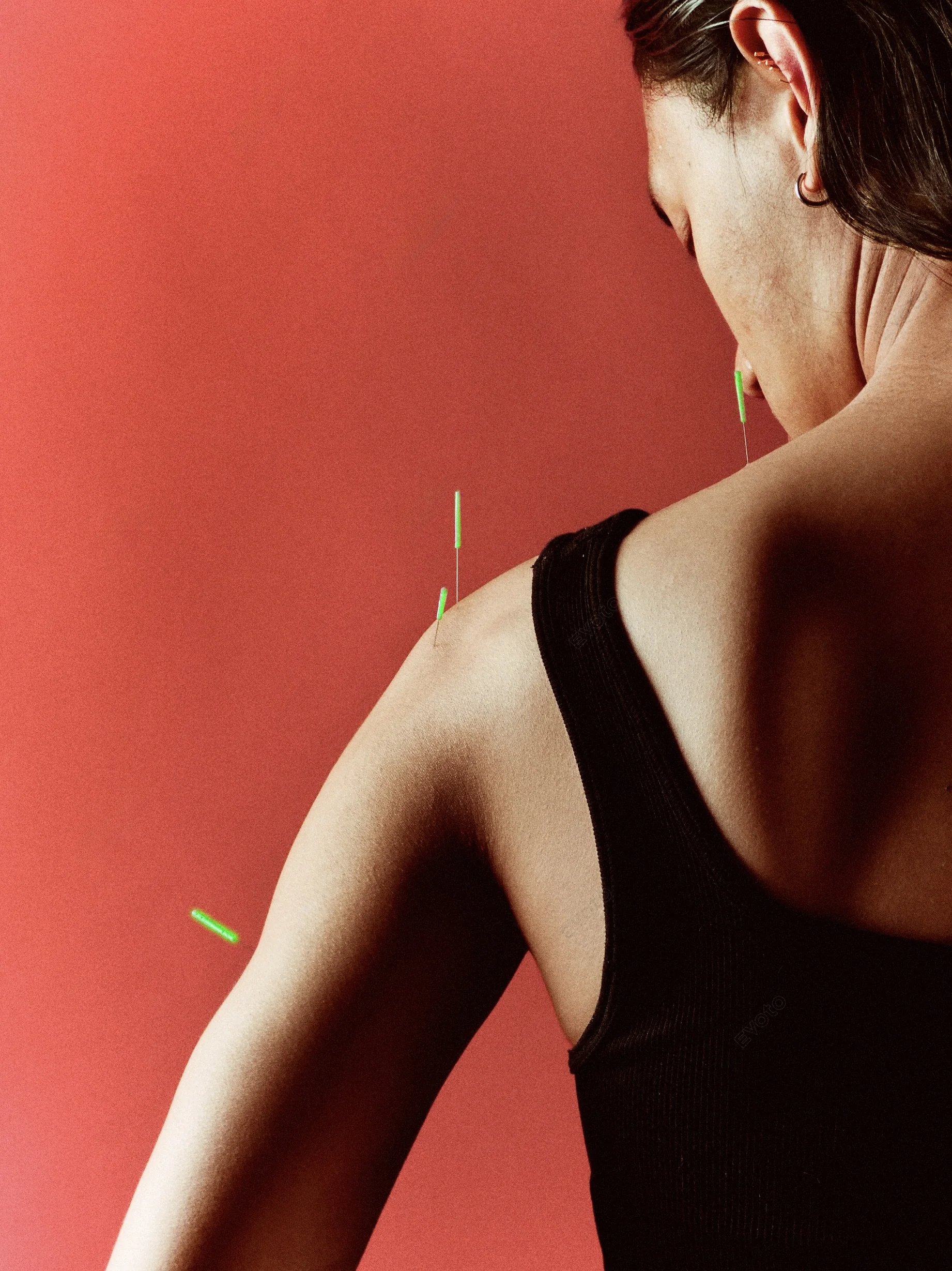
Fine, sterile, single-use needles at specific meridian points to restore Qi flow and promote physiological balance. WHO-recognized for 100+ conditions.
Protocols from Master Tung’s Acupuncture and Dr. Tan’s Balance Method.
Chronic pain · Migraines · Fertility · Anxiety · Insomnia · IBS · Hormonal imbalances · Bell’s palsy · Post-stroke
 02
02
Cosmetic Acupuncture
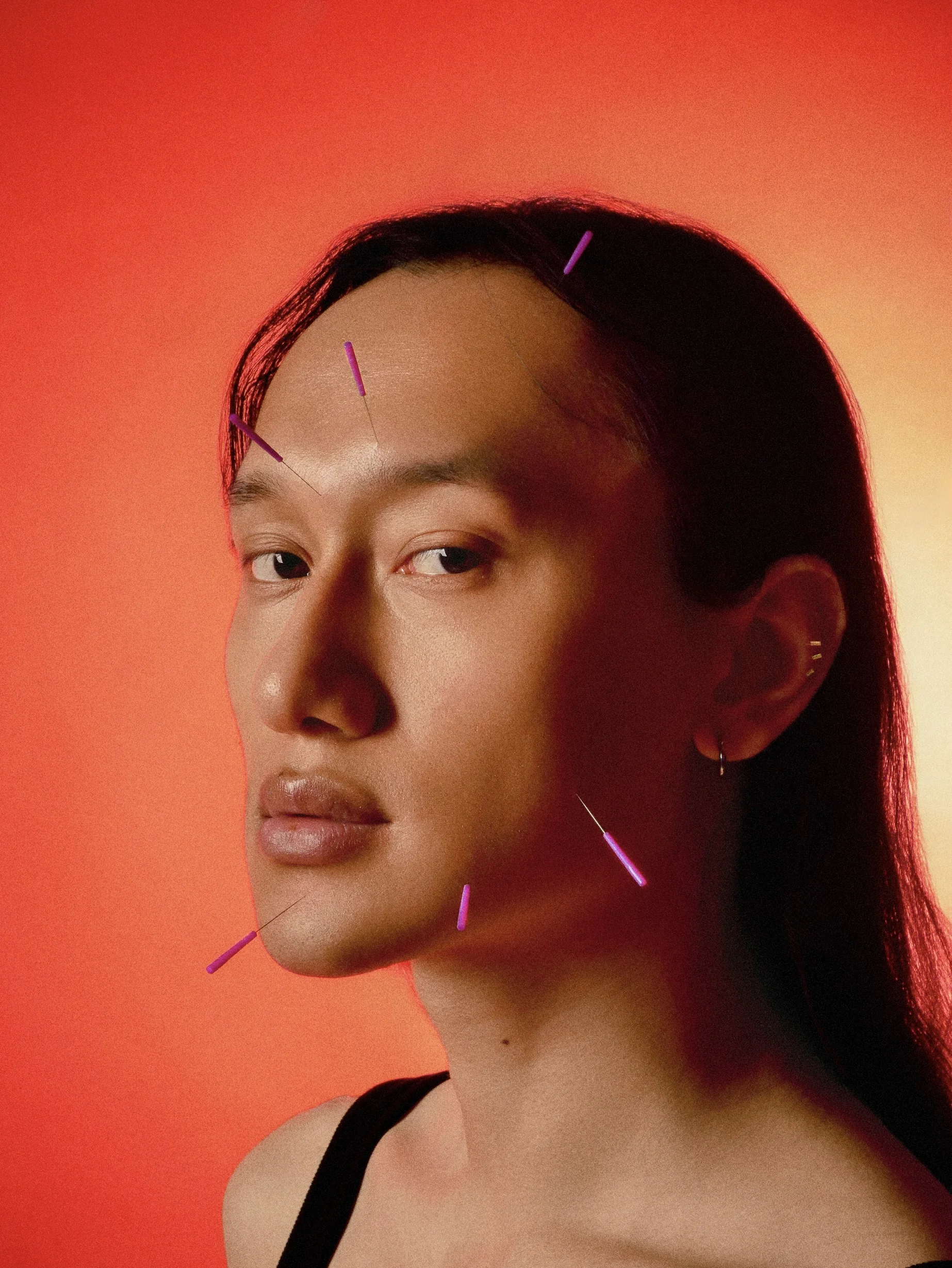
Non-surgical facial rejuvenation. Fine needles at facial and constitutional points stimulate collagen, improve tone, and treat the internal imbalances that show on the face.
Results build progressively. Every protocol begins with full constitutional TCM assessment.
Fine lines · Dullness · Uneven tone · Acne · Premature aging · Loss of elasticity
 03
03
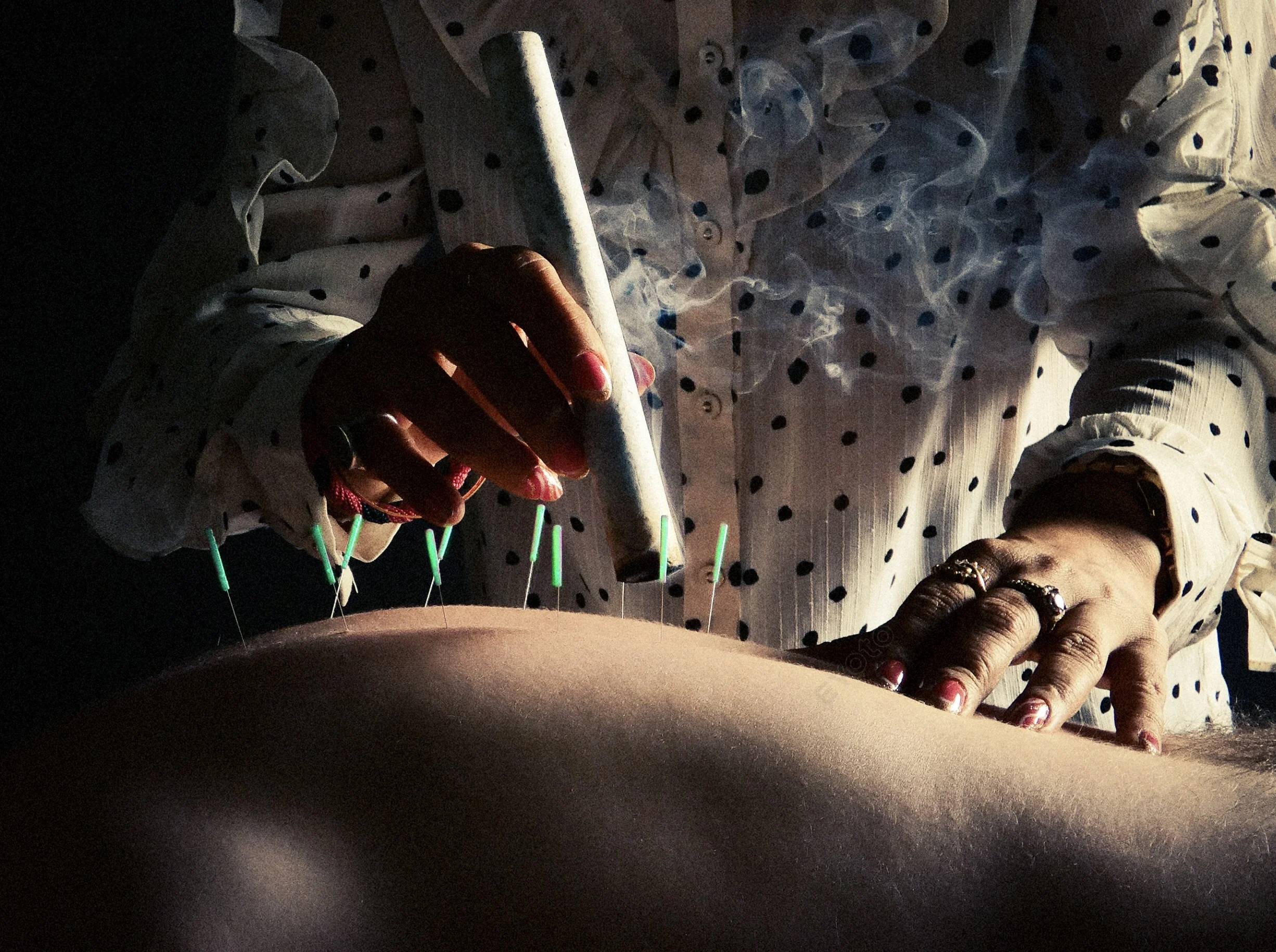
Moxibustion
Therapeutic heat applied to acupuncture points using moxa — compressed Artemisia argyi. Warms meridians, expels cold, and tonifies deficient conditions that needles alone cannot fully address.
Cold-type pain · Digestive weakness · Fatigue · Gynecological disorders with cold or deficiency patterns
 04
04
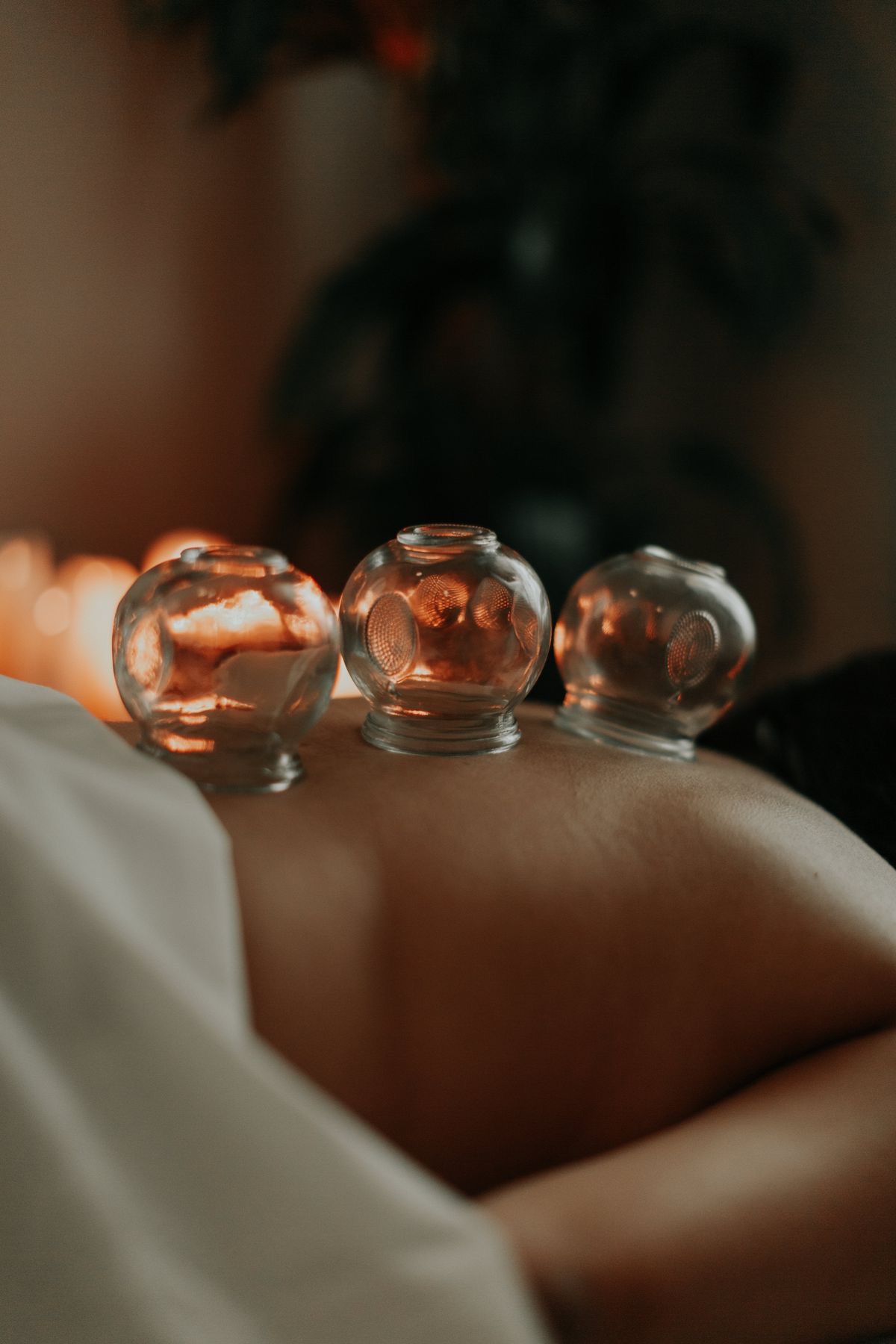
Cupping Therapy
Suction cups lift superficial tissue layers, improving local circulation and releasing myofascial tension. Stationary and sliding techniques available.
Note on marks: Temporary circular marks are a diagnostic indicator of stagnation — not bruises. They resolve within 3–7 days.
Musculoskeletal pain · Respiratory conditions · Detoxification
 05
05
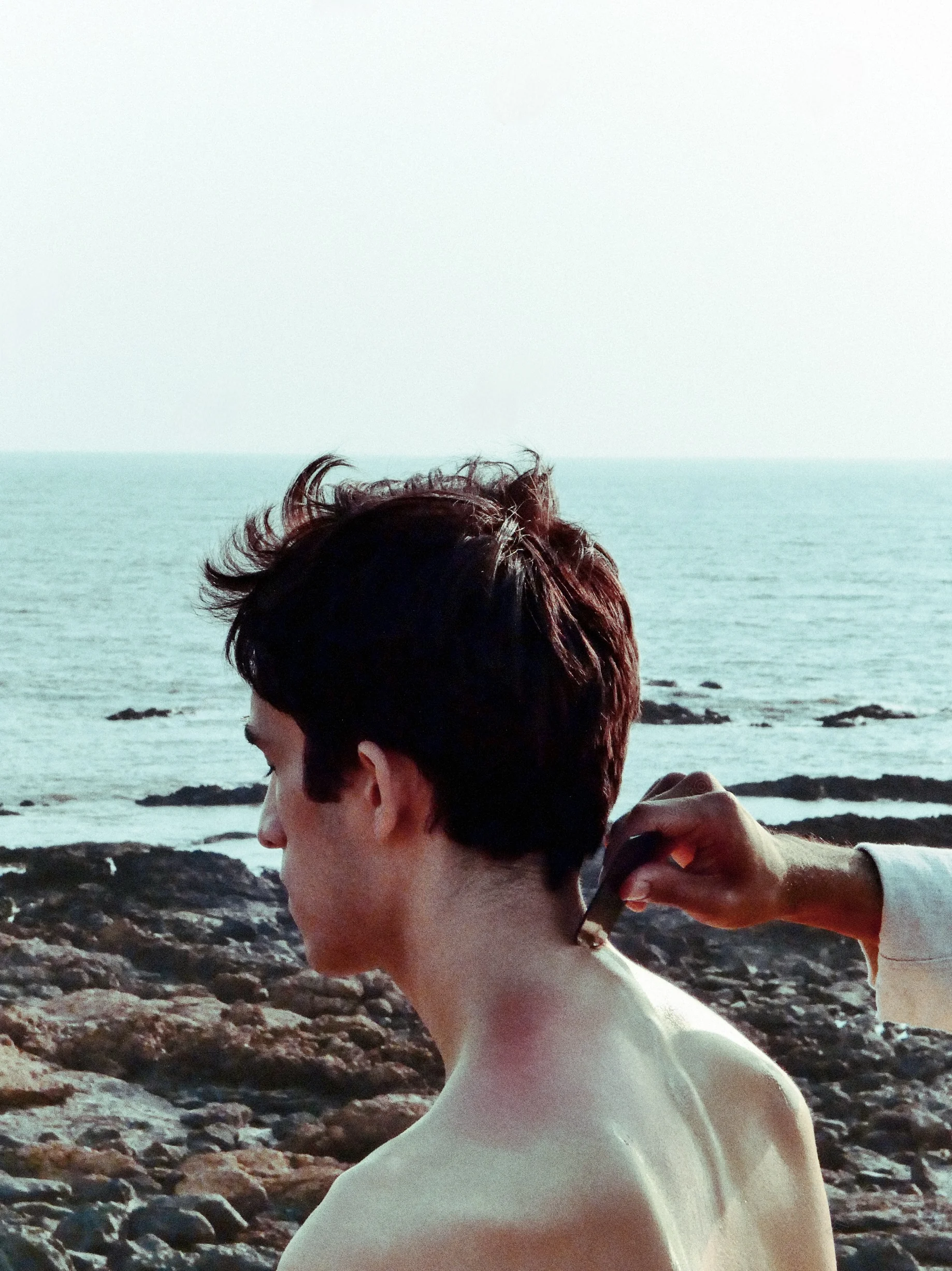
Gua Sha
Controlled strokes of a smooth-edged tool across lubricated skin break up stagnation and stimulate circulation. The temporary reddening (sha) confirms stagnation has been resolved.
Facial Gua Sha also offered as a cosmetic adjunct to our Cosmetic Acupuncture protocol.
Neck & shoulder tension · Chronic pain · Immune support · Cosmetic adjunct
 06
06
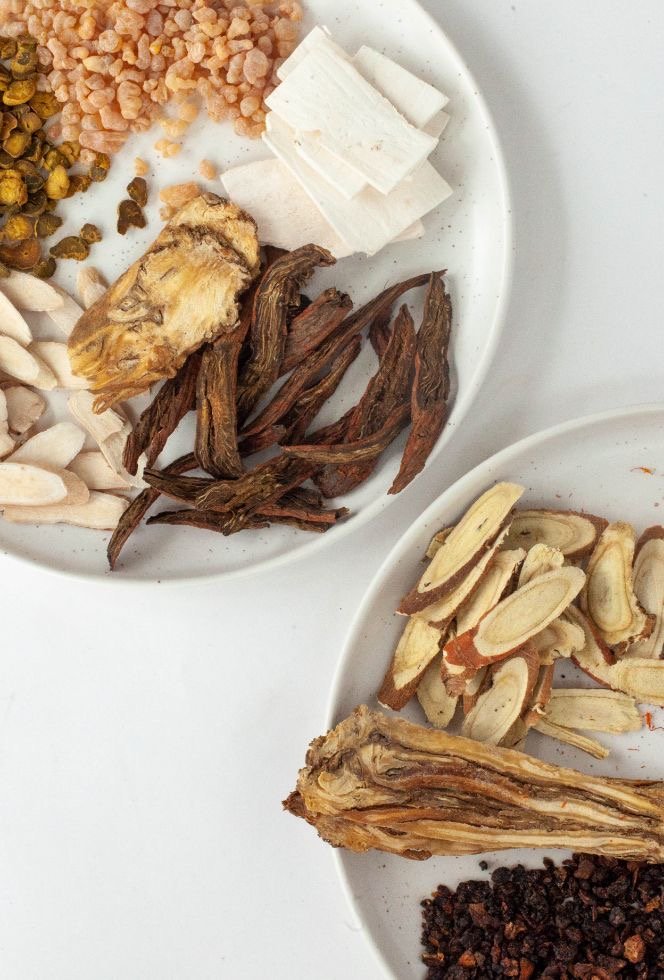
Herbal Supplements
Precisely balanced formulas where each ingredient serves a specific therapeutic role. Every prescription individualized to your TCM pattern. No off-the-shelf supplements.
Internal medicine · Gynecology · Immunity · Skin conditions · Chronic disease support
 07
07
TCM Dietary Therapy
Food prescribed as medicine — same diagnostic principles as acupuncture. Every food has a thermal nature, flavour affinity, and organ relationship in TCM.
Customized for Indian food culture and Mumbai seasonal availability.
Food as medicine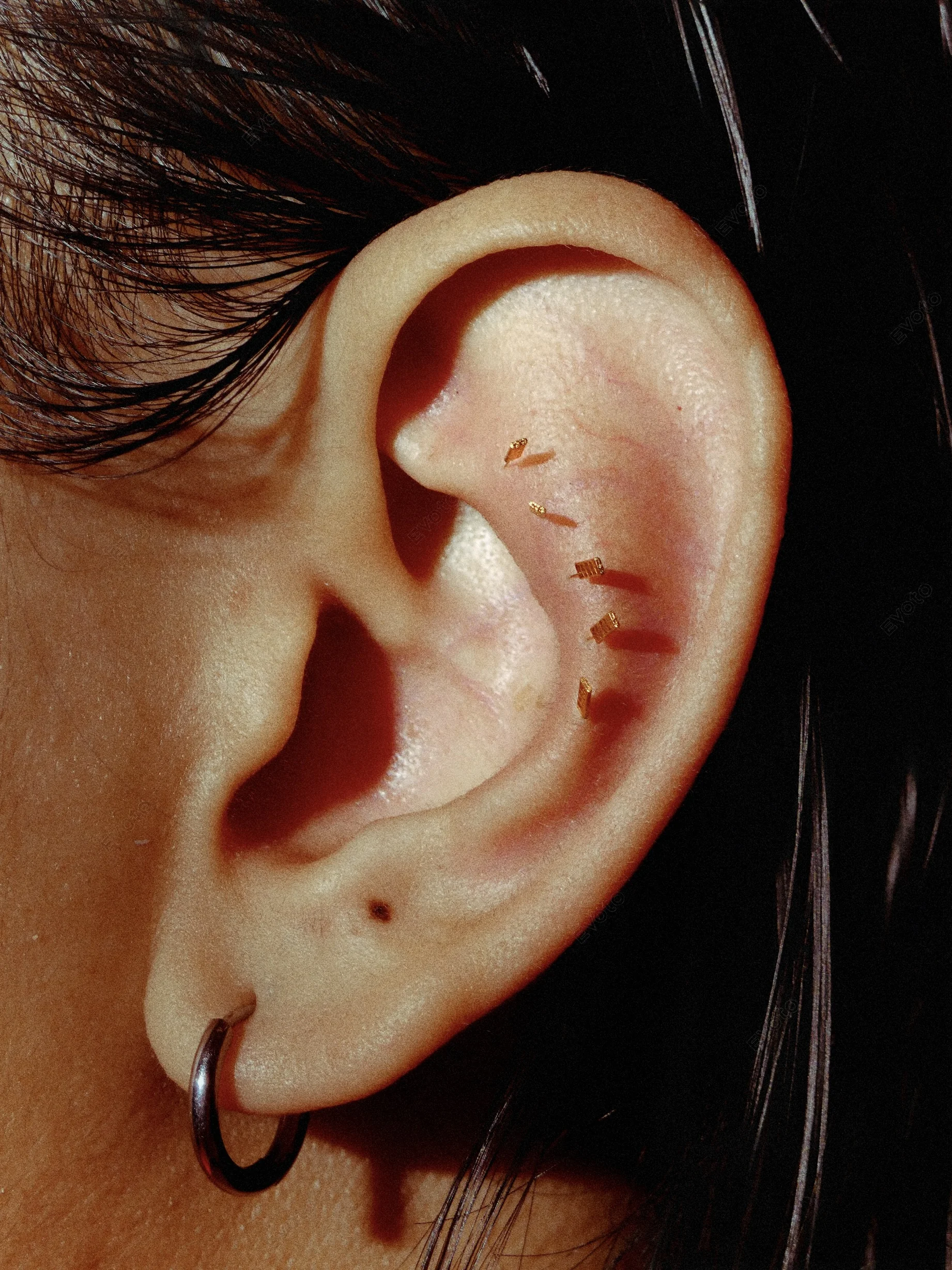 08
08
Ear Seeds
Vaccaria seeds or metallic pellets on specific auricular points using medical-grade adhesive tape. Continuous low-level stimulation between sessions — patients self-activate throughout the day.
Also offered as a group workshop at Balancepoint.
Stress · Anxiety · Insomnia · Food cravings · Hormonal balance · Pain
 09
09
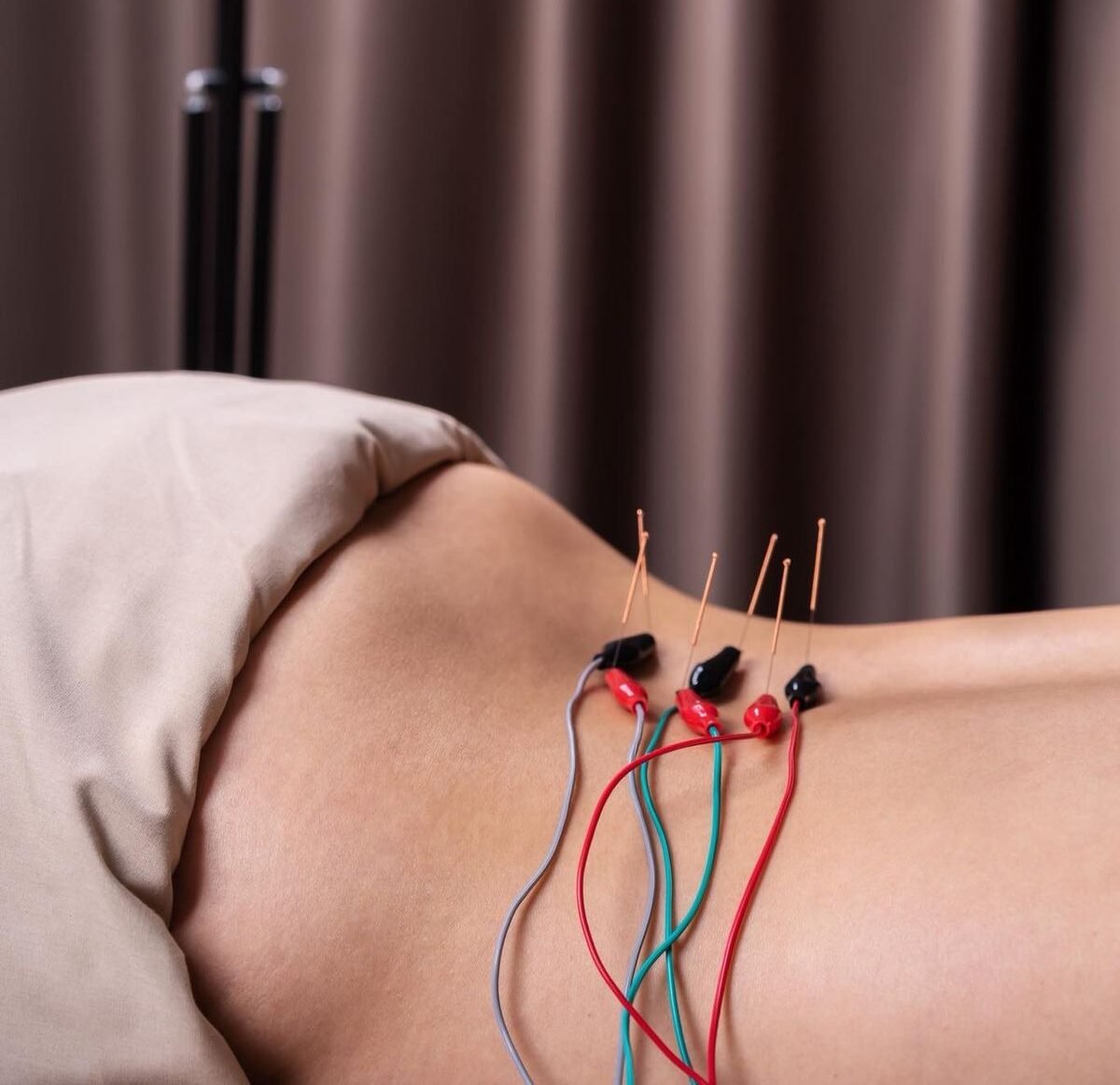
Electro Acupuncture
Low-frequency electrical current between needle pairs amplifies point stimulation. Felt as a mild, rhythmic pulse — not a shock. Precisely calibrated per patient.
Neurological conditions · Chronic & severe pain · Facial palsy · Post-stroke rehabilitation
 10
10
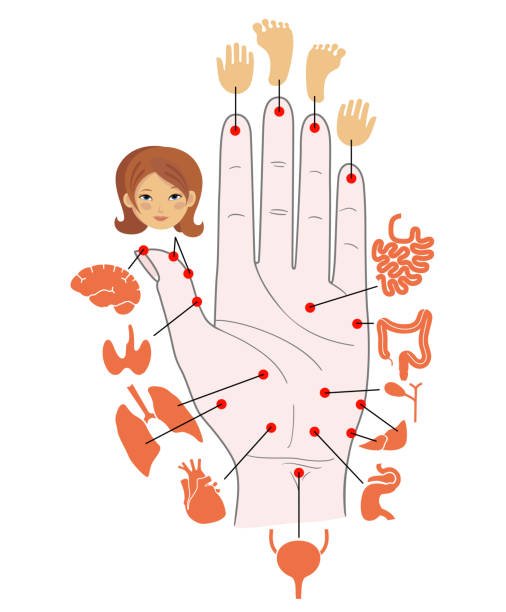
Sujok Therapy
Korean micro-system mapping the entire body onto correspondence points on the hands and feet. Treated with seeds, magnets, or micro-needles.
Effective standalone or as an acupuncture adjunct — especially useful for needle-sensitive patients and children.
Micro-system · Korean lineageHow a TCM Consultation Works
Every treatment at Balancepoint begins with a thorough assessment. What you share matters — the more we understand about your full picture, the more precise your treatment plan will be.
Initial Intake
Detailed health history, chief complaint, lifestyle factors — sleep, digestion, stress, menstrual cycle, diet, and more. This gives us your full context before clinical examination.
TCM Assessment
Pulse diagnosis, tongue examination, palpation. These are the primary diagnostic tools of TCM — they give direct access to your internal physiological state beyond what verbal description alone can provide.
Pattern Diagnosis
Identifying the root imbalance in TCM terms — Qi stagnation, Blood deficiency, Kidney Yang deficiency, and so on. This clinical translation determines your entire treatment strategy.
Treatment
One or more modalities applied in the same session, chosen based on your pattern diagnosis. Most patients receive acupuncture as the primary modality, often combined with moxibustion, cupping, or Gua Sha.
Follow-up Plan
Recommended treatment frequency, lifestyle guidance, and — where indicated — herbal prescriptions or dietary adjustments. You leave with a clear plan, not just a single session.
Questions, answered.
Everything you need to know about our treatments before your first session.
- Acute conditions (recent injury, short-term stress) — 3–5 sessions
- Chronic conditions (long-standing pain, hormonal issues, neurological) — 8–12 sessions over several weeks
- Maintenance — monthly or seasonal once the root issue is resolved
We maintain full clinical histories, screen for herb-drug interactions, and adapt protocols around your existing treatment plan. Always inform both your TCM physician and your medical doctor of all treatments you are receiving.
- Neurological conditions — facial palsy, neuropathy, post-stroke rehabilitation
- Severe or chronic pain requiring stronger point activation
- Cases where consistent stimulation frequency is clinically indicated
Unlike full-body TCM acupuncture (which works through the meridian system), Sujok is a localized micro-system. It is effective standalone and as a complement to acupuncture — especially useful for needle-sensitive patients and children who may not tolerate full-body needling. Sujok is one of our preferred modalities for paediatric treatment at Balancepoint.
The temporary redness (sha) it produces is a normal, expected therapeutic response — not a bruise — and typically resolves within a few days. It is completely safe when performed by a trained TCM physician. Facial Gua Sha is also offered as a cosmetic adjunct to our Cosmetic Acupuncture protocol.
Ready to find your balance?
Book an initial consultation with Dr. Priya — a licensed TCM physician who will assess your full picture and design a treatment plan specific to your pattern.